
Of Other Spaces
2015
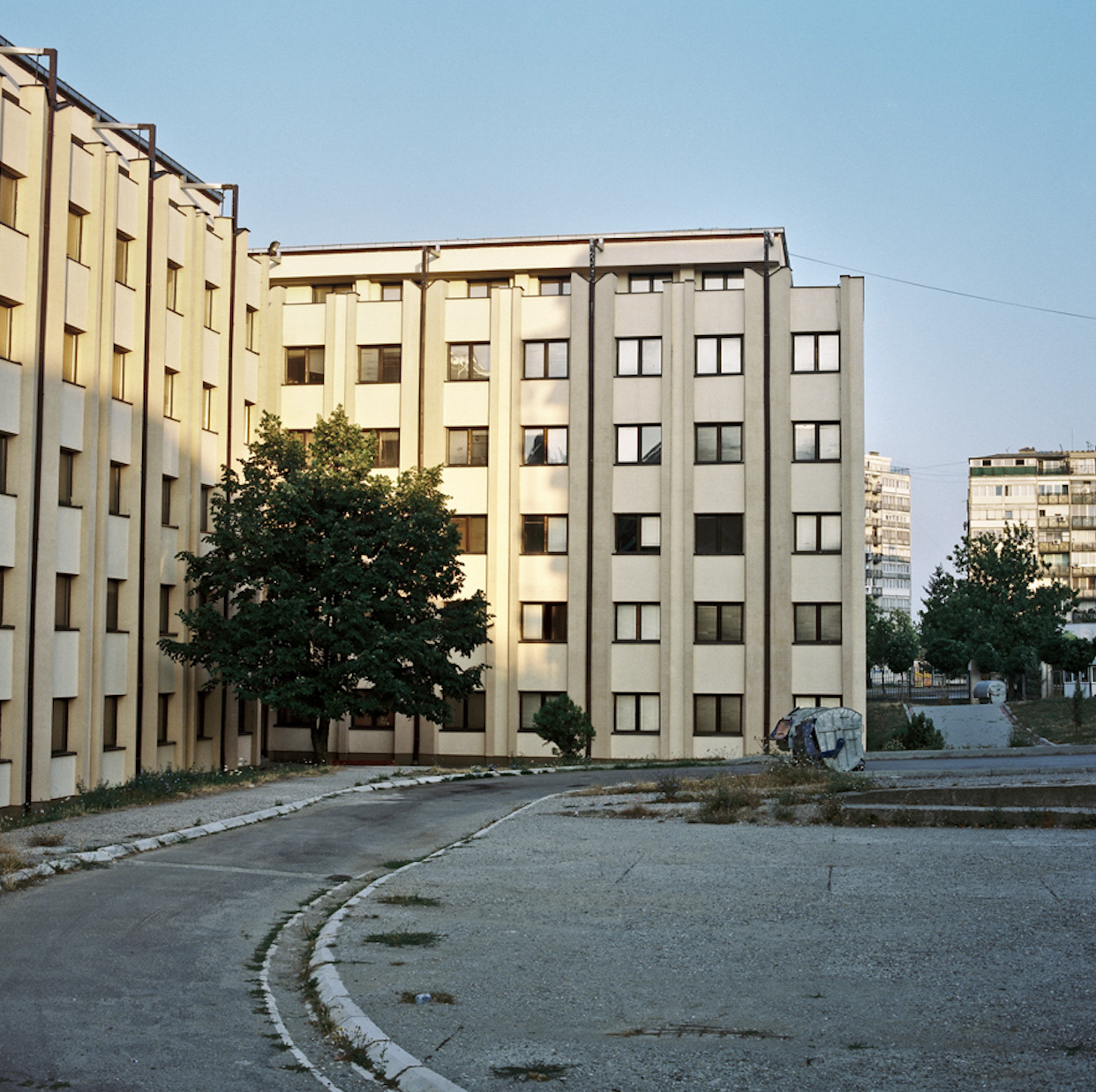
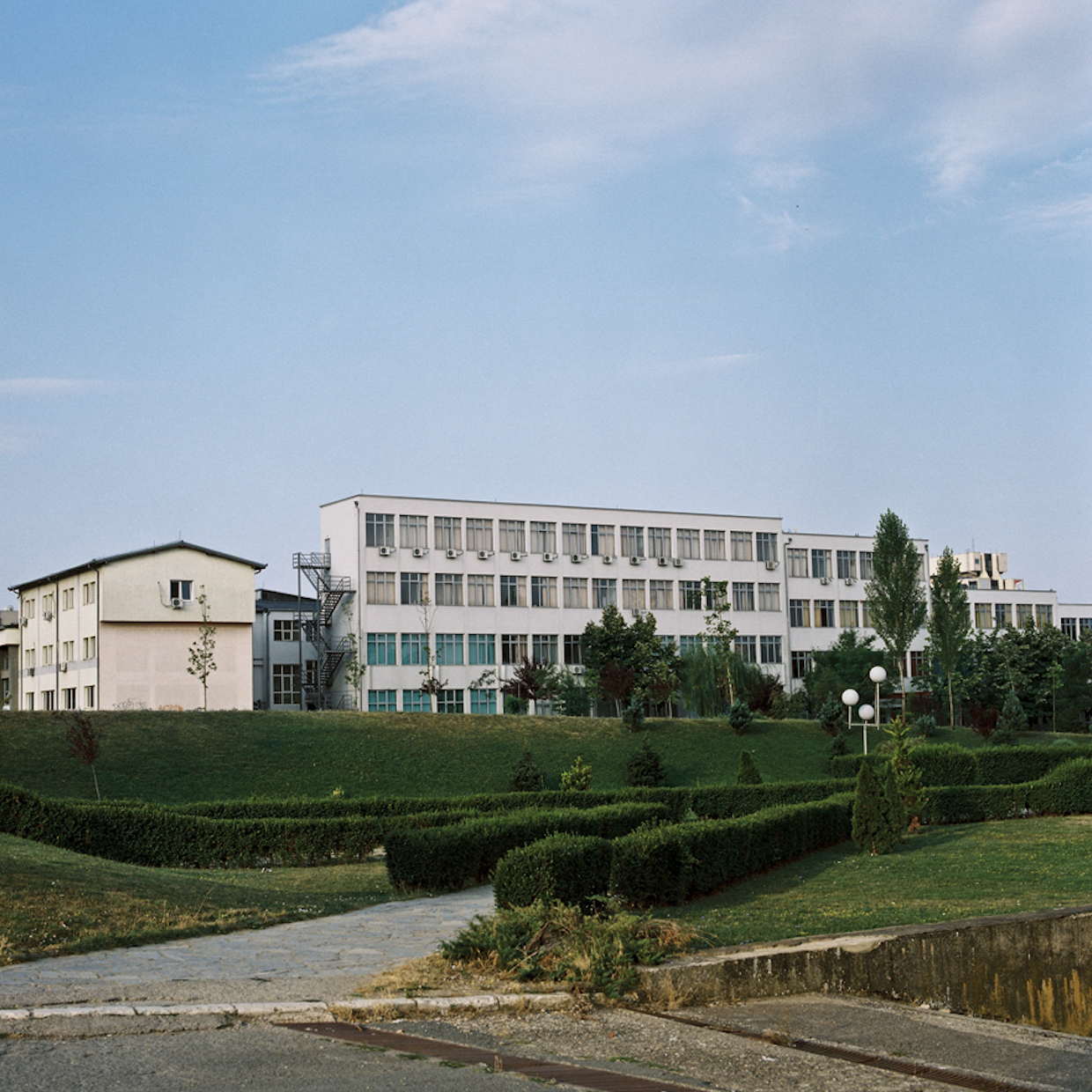
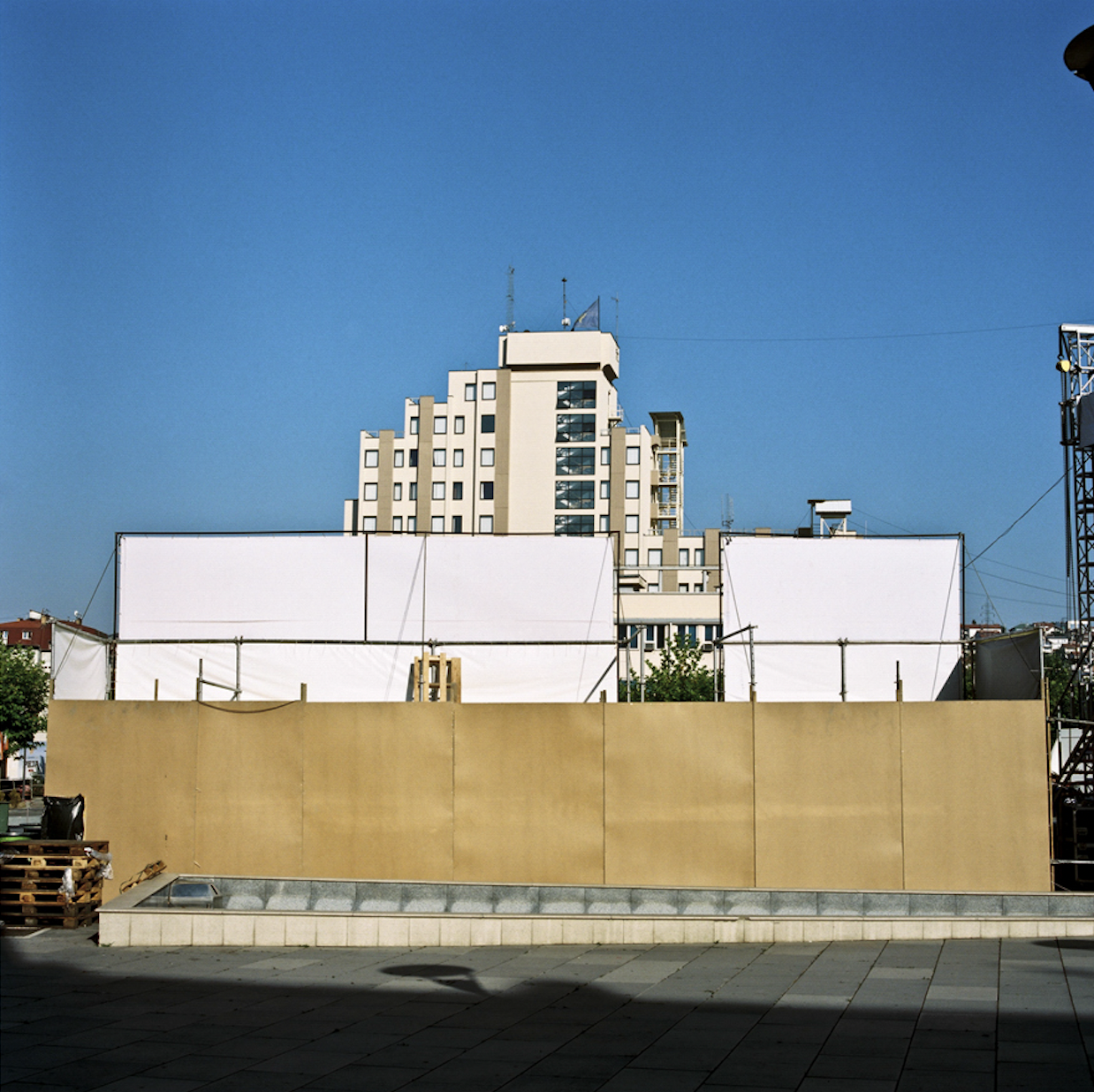
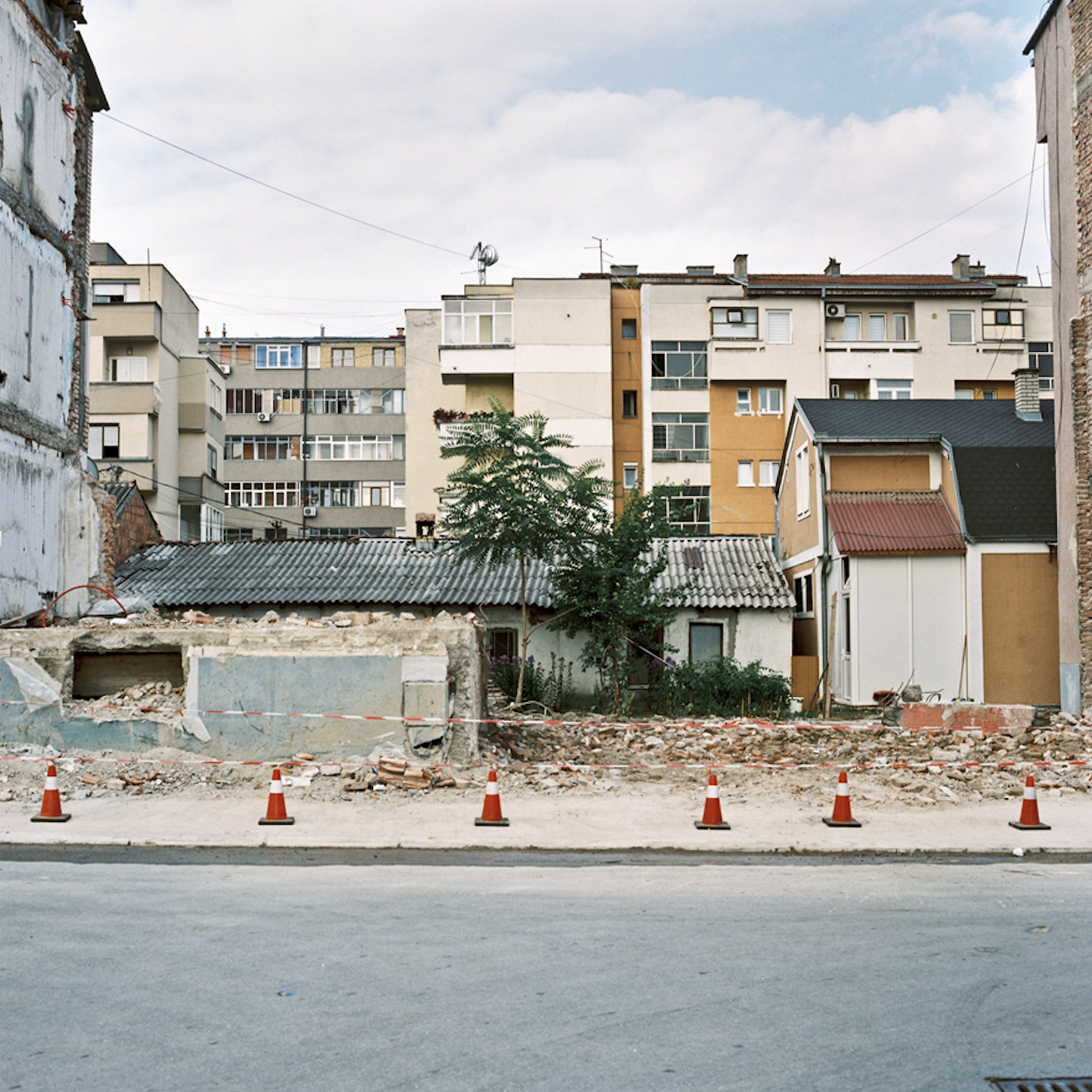
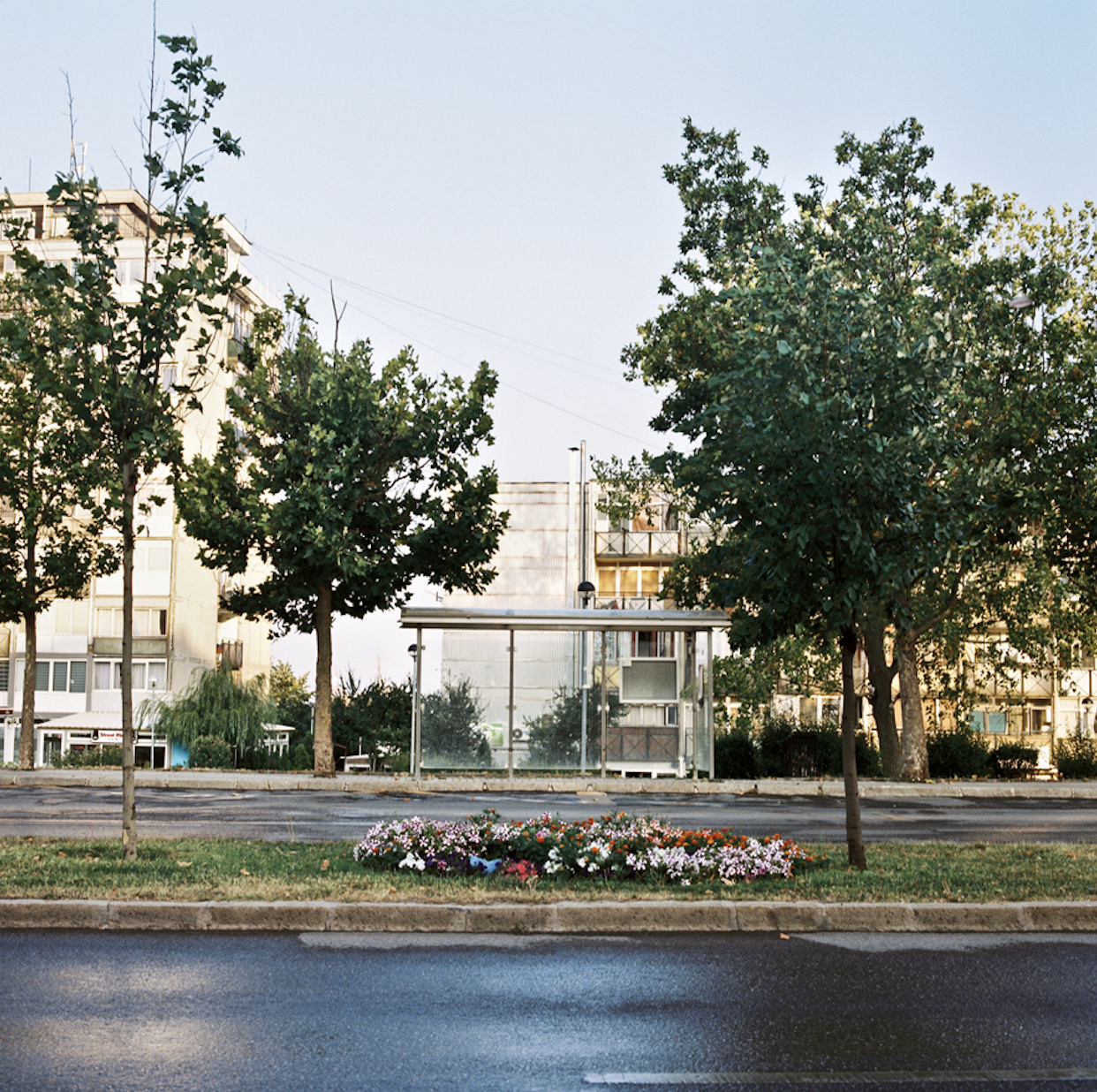
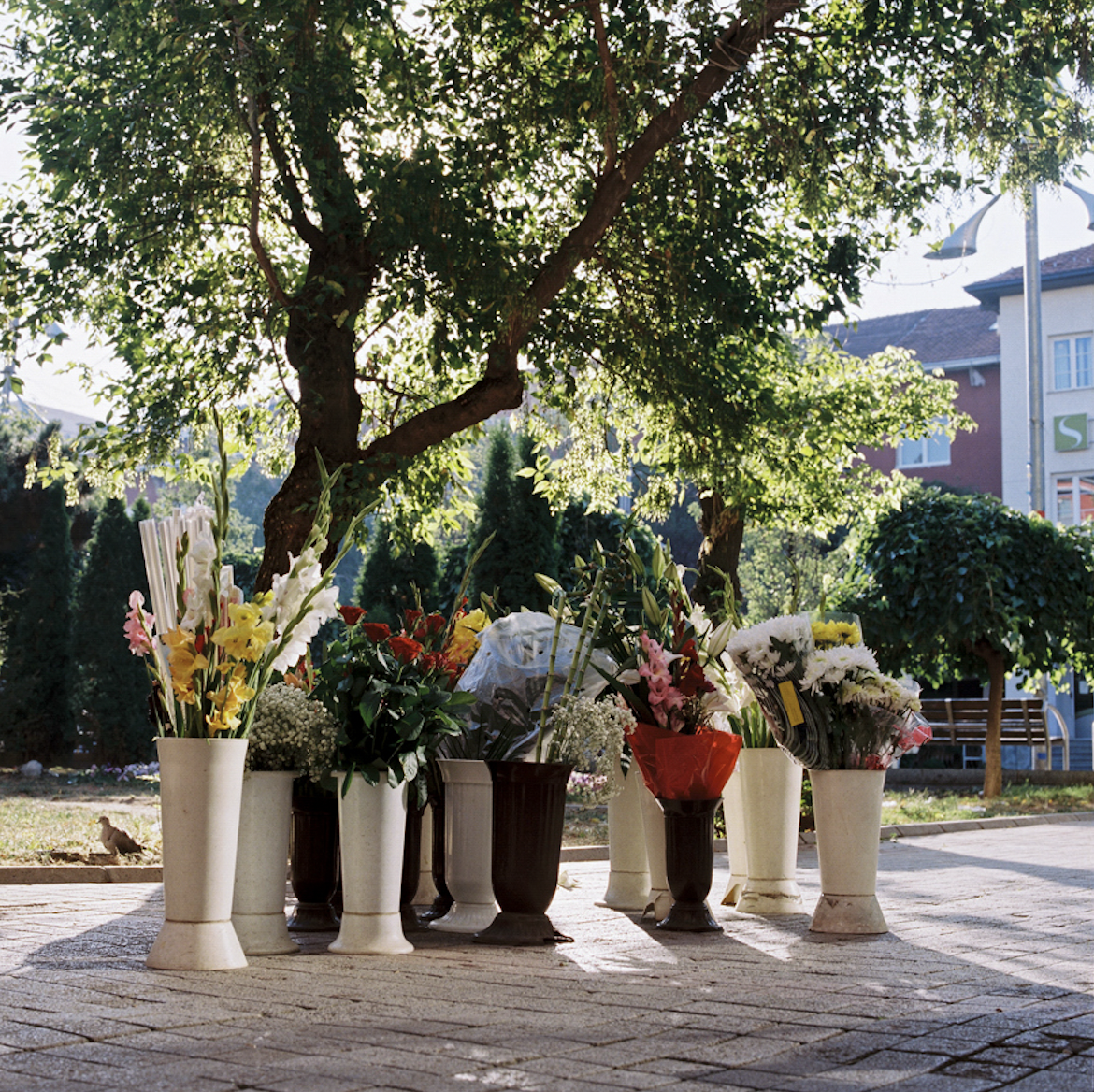
In his book Non-Places: Introduction to an Anthropology of Supermodernity (1992) the French anthropologist Marc Augé introduced the concept of the “non-place” as the spatial dimension of a “culture of excess, defined by an ‘overabundance of events’, in which the very idea of individuated culture, ‘localised in time and space’, has become redundant.” Augé’s formulation encompassed the physical spaces of high-speed transport infrastructure, “transit points and temporary abodes”, points of unmediated commerce, and cable and wireless networks. He conceived of such “non-places” as spaces “which cannot be defined as relational, or historical, or concerned with identity.”
The photographs that constitute Majlinda Hoxha’s series Of Other Spaces largely document public spaces in Prishtina, Kosovo. These spaces are absent of people - instead the images focus on architectural structures, or, rather, their compositions use architecture and urban design as a frame for plots of land that are either “empty”, provisional or in transition. They include temporary structures, displays and non-descript hoardings, and a site of demolition. The images are accordingly banal, speaking both to a sense of a defined location (the knowledge that they document somewhere), and a non-specificity (a sense that they could have been taken anywhere).
In many regards the sites in Hoxha’s photographs exemplify the concept of the non-place, yet they are also distinct from Augé’s spaces of “supermodernity”, which rather than negate entirely the notion of place, are presented as special kinds of places, the spatial consequence of the “changes of scale” of the late 20th century. Within the abstraction of these spaces of transition, Augé identified a mode of social existence experienced by their transient inhabitants, mediated through prohibitive, prescriptive or informative text, borne by signage and other codified forums of communication - a relationship to institutional authority outlined in a “solitary contractuality”. The emptiness of Hoxha’s images comes not just from the absence of inhabitants, but also the lack of such overtly visible text or codification. As a series however, the collated images retain an underlying sense of a “contractual” use of space; the form, function and meaning of these sites are not self-contained within the “boundaries of physical contiguity,” but rather located in broader flows operable beyond the frame of the image. In its address of the “non-place” outside of the fetishised spaces of advanced communication and logistics, Of Other Spaces speaks strongly to the everyday presence of a fundamental contradiction of contemporary life identified by Augé: that “never before have individual histories been so explicitly affected by collective history, but never before, either, have reference points for collective identification been so unstable.”
Text by Richard Birkett